THE CAUSE
Touch, part, charge
When two different materials touch, a few electrons move from one to the other. When they part, the charges stay behind. The voltage can be thousands of volts, though the energy is small.
See the numbers doodleshock
Start
WHAT THE PHYSICS SAYS
That winter zap is your charge finding a way home.

When two different materials touch and part, a few electrons swap sides. Damp air quietly carries the extra charge away. Dry winter air does not, so it waits on you until you reach for something metal.
1,000sof volts, tiny energy
Check your clothesKeep in mind
THE SHORT ANSWER
Static builds all year round.
Humidity decides whether it drains away or waits for you.
THE CAUSE
When two different materials touch, a few electrons move from one to the other. When they part, the charges stay behind. The voltage can be thousands of volts, though the energy is small.
See the numbersTHE MATERIALS
The triboelectric series ranks materials by how readily they gain or lose electrons. Hair, glass and wool tend to lose them; rubber and acrylic tend to gain them.
Check your clothesTHE FIX
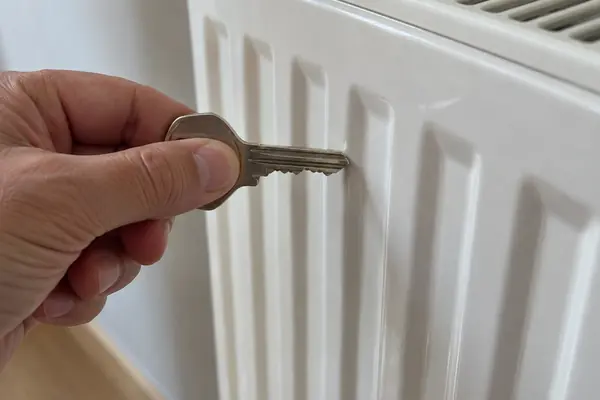
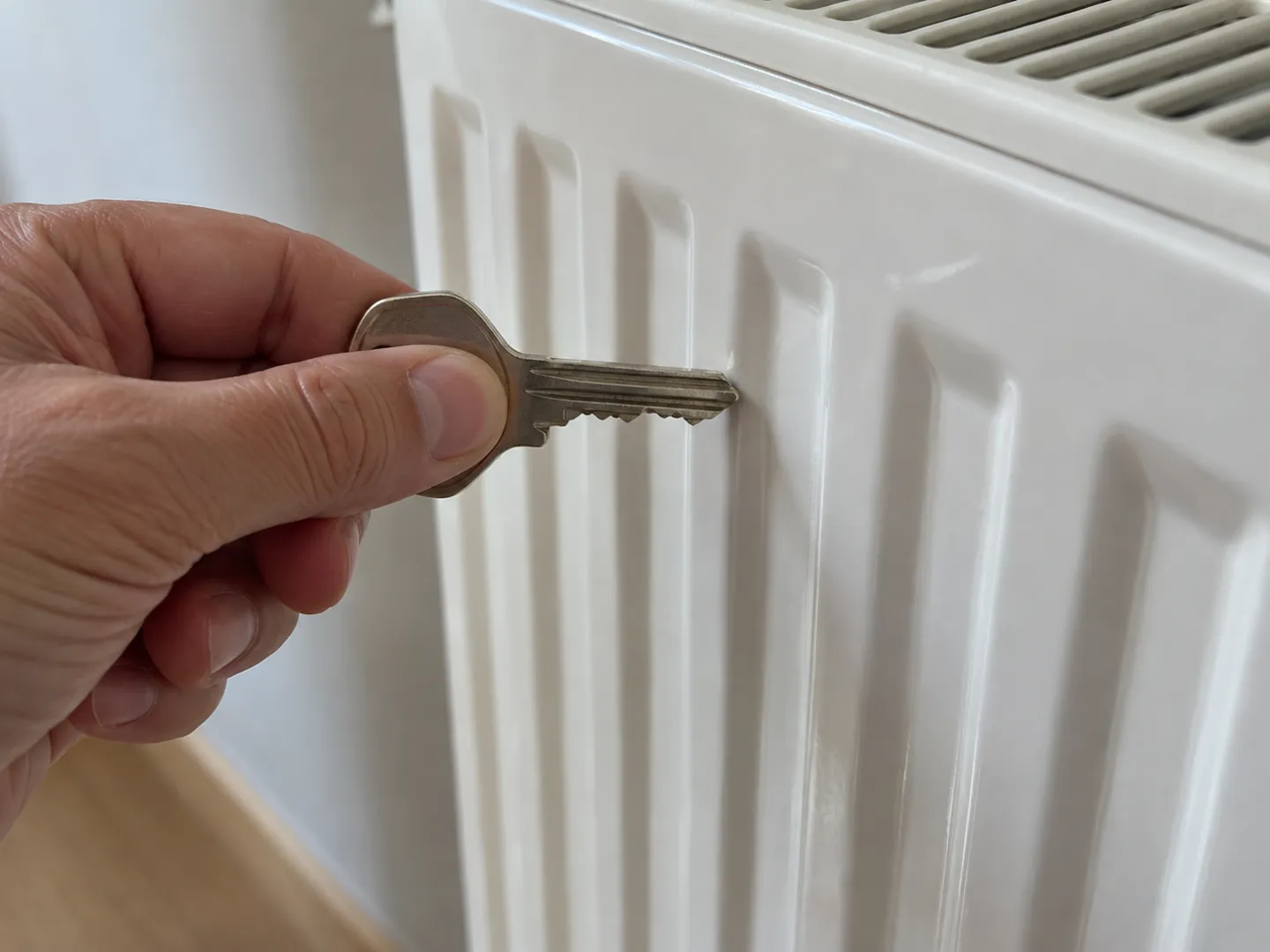
Carry a coin or key and touch it to something metal. The charge flows through the metal and away, without the jump that you feel as a shock.
More ways to stop itA QUICK MATERIALS CHECK
Pick a material to see how it behaves. The bar shows how readily it builds up static charge, based on where it sits on the triboelectric series and how well it conducts.
Based on McGill University's Office for Science and Society. General science information.
TWO NUMBERS WORTH KNOWING
One figure on the size of a static charge,
one on how dry heated winter air becomes.
1,000s of volts
Voltage a small static charge can reach
University of Kentucky physics notes that although the charge and energy involved are small, static voltages can be surprisingly high, thousands of volts.
VOLTAGE · UNIVERSITY OF KENTUCKY
7%
Relative humidity of winter air once heated indoors, in one worked example
McGill's example: outdoor air at 57% relative humidity with a dew point of −16 °C falls to about 7% when heated to 20 °C indoors. The average relative humidity of the Mojave Desert is 28%.
INDOOR AIR · McGILL UNIVERSITY
Heating air does not add or remove water. It raises the temperature, so the same moisture becomes a much lower relative humidity indoors.
FOUR WAYS TO TRY
These come from physicists at McGill University, the University of Maryland, Baltimore County and Northeastern University.
Step 1
A humidifier raises indoor humidity so charge can drain away into the air instead of building up on you.
Step 2
Touch a coin, key or paper clip to a metal object first, so the charge flows away through the metal.
Step 3
Touching metal objects regularly lets small charges go before they build into a big, painful shock.
Step 4
Wear more cotton, swap rubber soles for leather, and use dryer sheets or anti-static sprays on clothes.
WHY WINTER
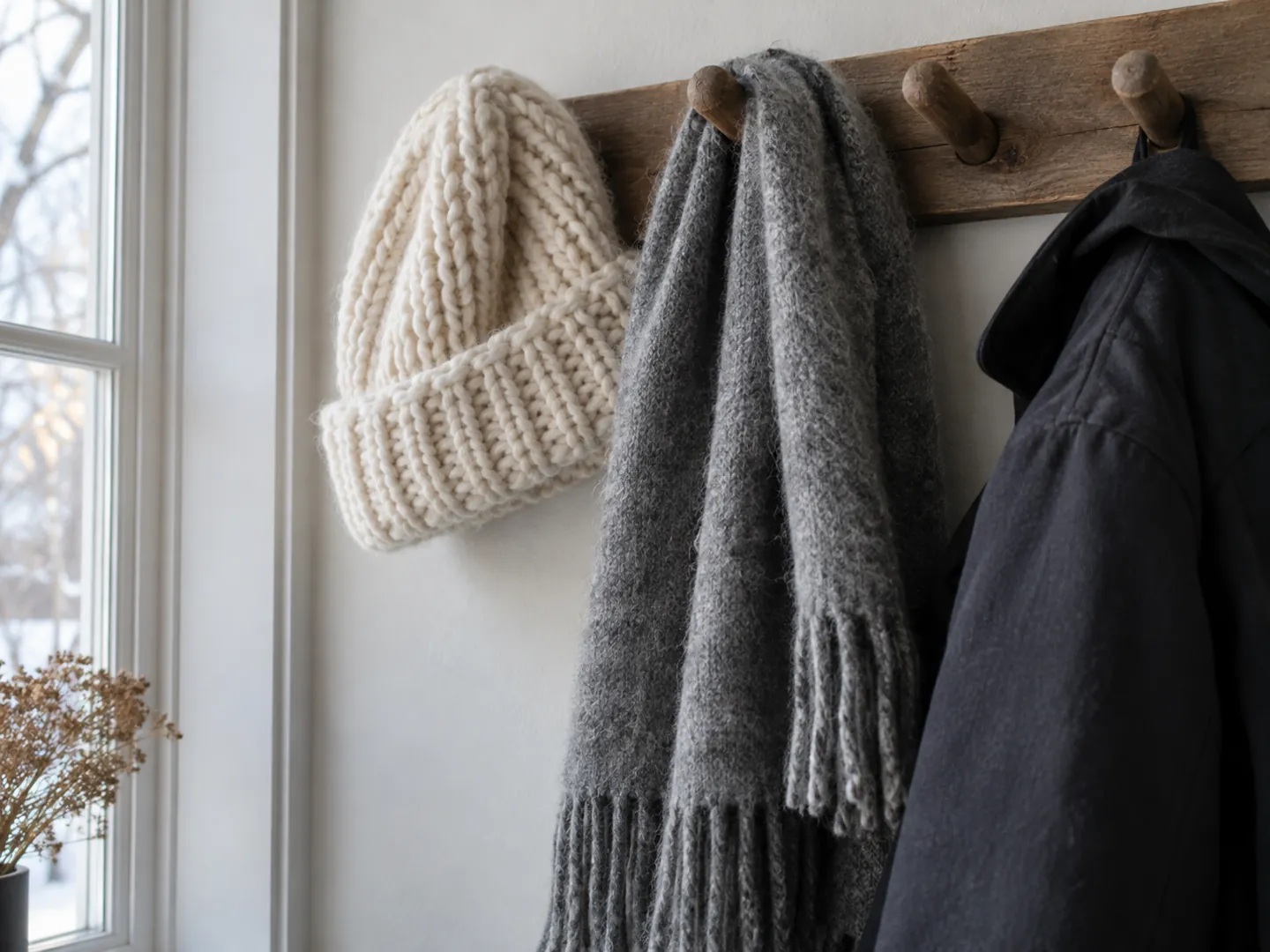
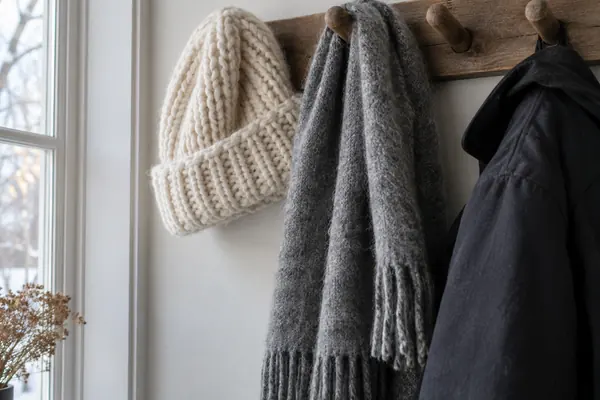
In humid weather, solid surfaces carry an invisible film of water that conducts charge away. Water molecules have a positive and a negative end, which helps them carry charge and keep things neutral.
Winter air holds little water. Warmed indoors it holds the same amount, so relative humidity drops and charges stay put until you get close to a conductor, like a door handle, a car or another person.
Questions
Dry air. Moisture normally carries static charge away, but cold outdoor air holds little water and heating it indoors makes it drier still, so charge builds up on you until you touch a conductor.
When two different materials touch and separate, electrons move from one to the other and the charges are left behind. When you get close to a conductor, the electrons jump across quickly, and you feel the zap.
University of Kentucky physics notes that while static voltages can reach thousands of volts, the amount of charge and energy involved is small.
Touch a coin or key to the metal first so the charge flows through it. Physicists also suggest discharging yourself often by touching metal objects.
Materials at either end of the triboelectric series, such as wool or acrylic, build up charge more readily. Cotton sits in the middle and builds little.
Destination
Updated
ABOUT THIS NAME
doodleshock.com is part of the DoodleSale portfolio. It isn't in an auction right now, but you can ask about leasing it.